Dumpster Rental Milpitas
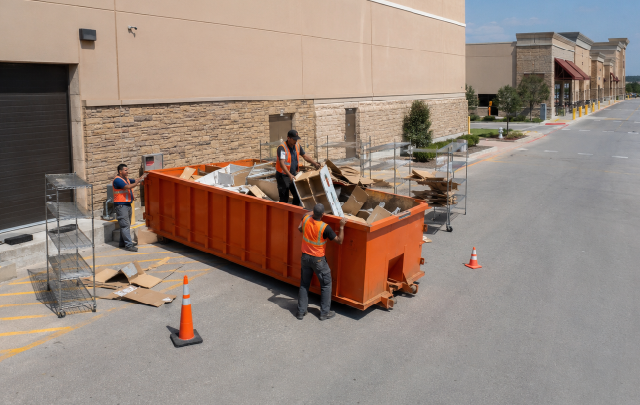
Facility upgrades, tenant improvements, and active construction sites can produce debris while employees, vendors, contractors, and deliveries still need access. Dumpster rental Milpitas service helps coordinate container capacity, loading windows, placement, and pickup around the property’s operating schedule.
- Home
- Milpitas
Coordinate Waste Management With Active Site Operations
Commercial and jobsite debris does not appear in isolation. Removed fixtures may leave as replacement materials arrive, packaging may build during installation, and multiple crews may share the same access route. Bay Dumpsters helps connect the waste plan with labor, deliveries, equipment movement, and project milestones.
- Preserve Vendor And Contractor Access
- Keep Loading Areas Operational Daily
- Match Capacity To Work Phases
- Separate Business And Construction Debris
- Schedule Pickup Before Site Handoffs
Which Container Fits Your Work Schedule?
The right container depends on how the project generates waste. An office cleanout may produce furniture, shelving, electronics, and packaging quickly, while construction work can create drywall, lumber, flooring, fixtures, and tear-out debris across several stages. Concrete, tile, masonry, and other dense materials add weight faster than visible volume suggests.
Planning dumpster rental Milpitas service should begin with the work sequence, not a single debris estimate. Customers should identify active loading windows, shared access points, material deliveries, contractor shifts, debris density, and the expected rental period before comparing available container sizes.
Match Dumpster Service To Operational Demands
A property that remains active during cleanup needs more than container capacity. The service must fit the people, vehicles, equipment, and business functions continuing around the project.
Businesses Clearing Interiors
A business dumpster service can support office furniture, shelving, fixtures, flooring, packaging, and approved debris from reorganizations or interior updates.
Contractors Managing Jobsites
A jobsite dumpster rental gives crews one controlled destination for lumber, drywall, cabinetry, fixtures, packaging, and approved construction waste.
Facilities Updating Systems
Commercial dumpster rental may support equipment changes, tenant improvements, flooring replacement, partitions, fixtures, and project-based facility debris.
Owners Renovating Properties
Residential dumpster rental can support kitchens, bathrooms, flooring, additions, garage projects, and other improvements that generate waste in stages.
Forecast Waste Removal Before Work Accelerates
Every dumpster rental Milpitas request should account for when debris volume will increase, which materials may need separation, and when the property will need the placement area back.
Debris Timeline Review
Estimate waste by demolition, installation, packaging, closeout, and final cleaning rather than treating the project as one uniform load.
- Phase Volume Forecast
- Material Density Review
Service Option Planning
Customers can see all local dumpster rental solutions and compare one rental, planned swaps, extended service, hauling, or junk pickup.
- Container Cycle Planning
- Rental Duration Guidance
Keep Waste Management From Slowing Work
A full container, blocked dock, or crowded staging area can affect labor and deliveries. Plan service before debris begins controlling the site.
Coordinate Dumpster Rentals With Active Operations
Milpitas commercial and jobsite rentals should follow the project schedule while preserving access for employees, contractors, equipment, vendors, and incoming materials.
Map Site Activity
Review loading zones, contractor schedules, operating hours, delivery routes, and the intended container position.
Match Project Phases
Coordinate available capacity with demolition, installation, packaging removal, facility work, and contractor handoffs.
Clear Before Handoff
Complete loading and collect the container before inspections, occupancy, or the next crew arrives.
Prepare Shared Areas Before Delivery
Site preparation should include every space the truck, container, crews, employees, and vendors may use during the rental period.
- Confirm The Complete Service Address
- Identify Every Active Site User
- Review Loading Dock Availability Carefully
- Separate Dense And Mixed Materials
- Preserve Vendor And Equipment Routes
- Coordinate Around Scheduled Deliveries
- Choose A Stable Placement Surface
- Review Accepted Debris Before Loading
- Confirm Swap And Pickup Windows
- Protect Collection Access Through Completion
Protect Productivity During Waste Removal
A successful container plan should support project output rather than compete with it. When debris moves out at the right pace, crews gain room to work, materials remain protected, and the property can continue serving its operational purpose.
Work Zones Stay Clear
Removed drywall, flooring, fixtures, furniture, and packaging can occupy areas needed for tools, lifts, carts, and replacement materials. Direct loading keeps the active work zone available for the next task.
Deliveries Stay on Schedule
New equipment, cabinetry, flooring, fixtures, or construction materials may arrive while debris is still leaving. Planned pickup or container swaps reduce congestion and preserve unloading space for scheduled deliveries.
Crew Handoffs Improve
Demolition, electrical, plumbing, framing, installation, flooring, and cleaning crews may use the site in sequence. Removing one phase’s debris before the next crew arrives creates clearer responsibility and fewer access conflicts.
Business Disruption Stays Limited
Employees, tenants, customers, and vendors may still need the property during the project. Thoughtful placement protects entrances, parking, loading routes, and service areas that remain essential to daily operations.
Effective Waste Management For Complex Project Conditions
Bay Dumpsters provides roll-off containers, hauling, junk pickup, and debris removal for commercial projects, construction work, residential renovations, facility upgrades, and property cleanouts. A properly planned dumpster rental Milpitas service can adjust when debris volume, material type, or project timing changes.
Business Waste Support
A business dumpster service can support office clearing, fixture removal, tenant improvements, flooring work, packaging, and temporary commercial debris.
Contractor Project Support
A jobsite dumpster rental helps crews contain approved construction waste near the active work without relying on temporary debris piles.
Nearby Service Coverage
Projects at another address can be reviewed through the Fremont dumpster rental service or another listed Bay Area location page.
Avoid Operational Waste Planning Errors
Projects often lose time when disposal is separated from scheduling, access changes are overlooked, or service is requested only after the container becomes unusable.
- Ignoring Debris Peaks Between Phases
- Blocking Loading Areas With Containers
- Mixing Dense Materials Without Approval
- Scheduling Pickup During Major Deliveries
- Waiting Until Capacity Is Exhausted
- Overlooking Final Closeout Waste Volume
See What People Say About Our Dumpster Rentals
Customers often value realistic capacity planning, clear material guidance, practical placement, and pickup timing that reflects actual operations. These details help the property remain functional while waste leaves at the correct pace.
Trustindex verifies that the original source of the review is Google. Thank you for being so quick and responsive on everything. Great service!!!!Posted on GoogleTrustindex verifies that the original source of the review is Google. Great customer service from start to finish! They were pleasant to work with, professional, and did an excellent job. Everything was handled exactly as promised, making the whole process easy and stress-free. I would definitely recommend them to anyone needing a reliable dumpster rental service.Posted on GoogleTrustindex verifies that the original source of the review is Google. Excellent service from Bay Dumpsters! They were punctual, professional, and friendly from start to finish. The dumpster was delivered on time, and pickup was quick and hassle-free. They did an outstanding job, and the entire process was smooth and easy. I highly recommend Bay Dumpsters to anyone looking for reliable and professional dumpster rental service. Thank you for the great work!Posted on GoogleTrustindex verifies that the original source of the review is Google. Hired Jesus to assembly some garage and balcony shelves. He did a great job putting everything together and installing them. Very tidy, cleaned everything up before he left and took all the packaging away with him. Very easy to talk and communicate with also.Posted on GoogleTrustindex verifies that the original source of the review is Google. Very professional, punctual and easy to do business with.Posted on GoogleTrustindex verifies that the original source of the review is Google. On time and fair pricePosted on GoogleTrustindex verifies that the original source of the review is Google. We had piles of trash left from a previous tenant and the boys came in cleared it all up and hauled it away fast. Price was exactly what he told me it was going to be and no funny business. I recommend them wholeheartedly.....Posted on GoogleTrustindex verifies that the original source of the review is Google. Besides their dumping service, Jesus and his team do handy work and were able to run a waterline to my fridge. They were thorough and careful, stopping by the day before to look at the fridge and the crawlspace and ensure they had all the proper tools and parts. I should have called them much sooner!Posted on GoogleTrustindex verifies that the original source of the review is Google. Jesus and his crew are true professionals! They did great work for me- they were timely, communicative, friendly, knowledgeable, and very reasonably priced. I highly recommend them!Posted on GoogleTrustindex verifies that the original source of the review is Google. Quick and easy to contact and deliver! Recommend 110%!!!!!
Frequently Asked Questions
Delivery should align with the first major debris-producing phase, while pickup should support the next contractor, inspection, or occupancy milestone. Customers should account for demolition, installation, packaging, punch-list work, and final cleaning rather than choosing one arbitrary rental window.
It can when debris types are compatible, and each crew understands loading responsibilities. The project manager should define who monitors capacity, which materials require separate handling, and when a swap must occur before another trade begins work.
Container placement should preserve delivery windows, dock access, turning space, and unloading routes. Customers may need to coordinate loading activity around vendor schedules so the dumpster does not occupy the only practical service area during critical deliveries.
Facility work may involve fixtures, partitions, flooring, furniture, equipment packaging, and dense materials. The recommended container depends on what is being removed, how materials will be loaded, and whether business operations continue during the project.
A swap is useful when the container is full, but the project still needs disposal capacity. An extension is more appropriate when loading is incomplete but usable space remains. The decision should follow debris volume and project progress, not time alone.
Some furniture, shelving, drywall, flooring, cabinetry, and packaging may be compatible. Concrete, tile, electronics, appliances, batteries, chemicals, paint, and other specialized materials should be reviewed before loading because separate handling may be required.
Include protective coverings, packaging, damaged replacement materials, fixture boxes, trim, small tear-outs, and waste discovered during punch-list work. Closeout debris is often underestimated because the largest demolition stage has already ended.
Confirm the current phase is complete, restricted materials are removed, and the load remains within approved limits. The truck route must be clear of equipment, deliveries, vehicles, temporary fencing, stored materials, and active work.
Keep Operations Moving Through Junk Cleanup With Bay Dumpsters
From tenant improvements and facility upgrades to construction and residential projects, Bay Dumpsters helps align container capacity, service cycles, placement, and pickup with the site’s actual operating schedule.