Construction Dumpster Rental In Oakland
A construction dumpster rental in Oakland gives crews a defined place for building debris while protecting staging areas, equipment routes, and daily site access. Bay Dumpsters coordinates delivery around the project phase and property layout.
- Home
- Construction Dumpster Rentals
Keep The Construction Debris Moving
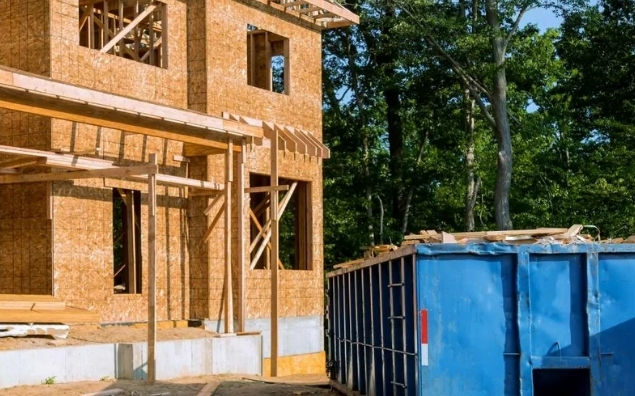
A construction dumpster gives contractors, builders, and property owners one centralized area for approved jobsite waste. Instead of allowing lumber, drywall, packaging, fixtures, and removed materials to accumulate around active work zones, crews can load debris as each phase progresses and prepare the container for timely removal or replacement.
- Keep Work Zones Clear Daily
- Protect Equipment Access Between Phases
- Reduce Repeated Hauling Trips Significantly
- Organize Debris By Project Stage
- Coordinate Swaps Around Crew Progress
How Does A Construction Dumpster Rental Support An Active Jobsite?
A roll-off dumpster for construction supports active projects by creating one accessible loading point for approved building materials, demolition waste, packaging, fixtures, and remodeling debris. Crews can move waste out of work areas as it is generated instead of allowing piles to interfere with staging, equipment, deliveries, or pedestrian movement.
The correct construction waste container depends on debris volume, material density, project timeline, site access, and available placement space. Heavy debris may require separate planning because weight can become a limiting factor before the container appears full. A construction dumpster rental in Oakland works best when delivery, loading, possible container swap needs, and final pickup are discussed before work begins.
Match The Dumpster To The Project Timeline
A jobsite dumpster rental can support new construction, remodeling, demolition, roofing preparation, and commercial build-outs. The right setup depends on how quickly debris is produced, where crews are working, which materials require separation, and whether the project will need one container or several scheduled service stages.
Remodelers Removing Interiors
A building debris dumpster can collect approved drywall, cabinets, flooring, trim, fixtures, insulation, and packaging generated during interior renovation work.
Builders Framing Structures
A construction roll-off dumpster supports framing crews handling lumber offcuts, sheathing, packaging, damaged materials, and approved site waste during structural work.
Contractors Managing Demolition
A demo dumpster rental helps crews stage approved tear-out debris while keeping active demolition zones, equipment paths, and material drop areas more organized.
Trades Completing Installations
Electrical, plumbing, HVAC, flooring, and finish crews can use a construction trash dumpster for approved packaging, removed components, and installation debris.
Jobsite Service Built Around Changing Project Conditions
Bay Dumpsters coordinates contractor service around debris type, delivery access, project duration, and the pace at which waste is generated. Contractors can discuss roll-off delivery, heavy-material needs, container placement, and possible swap timing before the jobsite becomes congested.
Project Phase Planning
Each rental begins by reviewing expected building materials, debris volume, project timeline, placement space, and whether multiple work stages may require additional service.
- Debris Volume Forecast
- Phase Timing Review
Contractor Service Options
Customers can compare dumpster rental, debris removal, hauling, and container swap planning according to crew capacity, site access, and project progression.
- Jobsite Delivery Support
- Scheduled Swap Planning
Put The Container Where Crews Can Load It Easily
Plan the construction dumpster around staging areas, equipment movement, deliveries, and crew access. Bay Dumpsters helps align placement and service timing with the jobsite.
Match Cleaning Capacity To Construction Phases
Construction debris changes as demolition, framing, installation, finishing, and closeout progress. The container plan should follow those phases while keeping tools, crews, and material routes clear.
Forecast Phase Debris
Estimate lumber, drywall, flooring, packaging, fixtures, and tear-out waste for each stage of construction.
Maintain Jobsite Flow
Load approved materials continuously while preserving equipment paths, staging areas, and access for incoming supplies.
Clear For Closeout
Remove remaining construction waste before final inspections, punch-list work, cleaning, or project handoff begins.
Prepare The Jobsite Before Roll-Off Delivery
Early preparation helps prevent blocked access, unsafe loading patterns, delivery delays, and conflicts between the dumpster, crews, equipment, suppliers, and material staging.
- Confirm The Main Debris Category
- Estimate Each Project Phase Volume
- Separate Dense Heavy Materials Early
- Select A Stable Placement Surface
- Preserve Equipment And Crew Access
- Measure Gates And Turning Space
- Clear Delivery And Pickup Routes
- Check Overhead Lines And Branches
- Plan Possible Container Swap Timing
- Review Material Restrictions Before Loading
Turn Debris Removal Into A Scheduled Construction Cleanup
A contractor dumpster rental should support the project rather than sit disconnected from it. When placement, loading, swaps, and pickup reflect the actual construction sequence, crews can remove waste more consistently, preserve usable space, and reduce interruptions caused by scattered or overflowing debris.
Work Zones Stay Clear
Centralized jobsite waste helps crews remove cutoffs, packaging, fixtures, and demolition fragments from active areas. Clearer work zones support safer movement, more usable staging space, and fewer interruptions when tools, materials, or equipment need to move between project phases.
Crew Handling Decreases
A contractor roll-off dumpster placed near the active work area can reduce long carrying routes and repeated loading into smaller vehicles. Crews spend less time transferring debris and more time completing demolition, framing, installation, or finish work.
Project Phases Connect
A construction dumpster can serve one phase and then be emptied, replaced, or removed before the next begins. This sequencing helps prevent earlier debris from consuming space needed for new materials, subcontractors, equipment, or final cleanup.
Heavy Debris Gets Planned
Concrete, masonry, soil, roofing material, and other dense waste can affect loading limits before volume is exhausted. Separate planning helps determine whether the project needs dedicated concrete disposal, another container, or a different hauling method.
Construction Cleanup Service For Convenient Final Clearing
Bay Dumpsters provides Oakland construction dumpster rentals for remodeling, building, demolition, and contractor-led projects. Crews can discuss waste type, roll-off delivery, jobsite access, expected loading pace, and service changes through one coordinated planning process.
Full Range Access
Contractors can browse the full roll-off dumpster range when different project phases, debris volumes, or placement conditions require another container approach.
Jobsite Delivery Planning
Container placement is discussed around crew movement, supplier access, equipment routes, loading distance, and the truck space required for service.
Debris Service Flexibility
A construction debris dumpster may be combined with hauling or swap planning when project conditions change, or waste accumulates faster than expected.
Avoid The Planning Mistakes That Slow Crews
Construction rental problems often begin with incomplete debris details, poor placement, or service timing that does not reflect the actual pace of the work.
- Underestimating Each Project Phase Volume
- Mixing Heavy Materials Without Approval
- Blocking Equipment Or Supplier Access
- Ignoring Required Truck Turning Space
- Delaying Container Swap Requests Too Long
- Loading Waste Beyond Fill Limits
What Contractors Notice After Our Service
Customers often value clear placement discussions, practical material guidance, responsive scheduling, and coordinated swaps. These details help crews maintain cleaner work zones and keep debris removal aligned with project progress.
Trustindex verifies that the original source of the review is Google. Thank you for being so quick and responsive on everything. Great service!!!!Posted on GoogleTrustindex verifies that the original source of the review is Google. Great customer service from start to finish! They were pleasant to work with, professional, and did an excellent job. Everything was handled exactly as promised, making the whole process easy and stress-free. I would definitely recommend them to anyone needing a reliable dumpster rental service.Posted on GoogleTrustindex verifies that the original source of the review is Google. Excellent service from Bay Dumpsters! They were punctual, professional, and friendly from start to finish. The dumpster was delivered on time, and pickup was quick and hassle-free. They did an outstanding job, and the entire process was smooth and easy. I highly recommend Bay Dumpsters to anyone looking for reliable and professional dumpster rental service. Thank you for the great work!Posted on GoogleTrustindex verifies that the original source of the review is Google. Hired Jesus to assembly some garage and balcony shelves. He did a great job putting everything together and installing them. Very tidy, cleaned everything up before he left and took all the packaging away with him. Very easy to talk and communicate with also.Posted on GoogleTrustindex verifies that the original source of the review is Google. Very professional, punctual and easy to do business with.Posted on GoogleTrustindex verifies that the original source of the review is Google. On time and fair pricePosted on GoogleTrustindex verifies that the original source of the review is Google. We had piles of trash left from a previous tenant and the boys came in cleared it all up and hauled it away fast. Price was exactly what he told me it was going to be and no funny business. I recommend them wholeheartedly.....Posted on GoogleTrustindex verifies that the original source of the review is Google. Besides their dumping service, Jesus and his team do handy work and were able to run a waterline to my fridge. They were thorough and careful, stopping by the day before to look at the fridge and the crawlspace and ensure they had all the proper tools and parts. I should have called them much sooner!Posted on GoogleTrustindex verifies that the original source of the review is Google. Jesus and his crew are true professionals! They did great work for me- they were timely, communicative, friendly, knowledgeable, and very reasonably priced. I highly recommend them!Posted on GoogleTrustindex verifies that the original source of the review is Google. Quick and easy to contact and deliver! Recommend 110%!!!!!
Frequently Asked Questions
Some common building materials may be compatible, but mixed loads should be reviewed before delivery. Concrete, soil, masonry, roofing material, appliances, chemicals, batteries, and other dense or regulated items may require separation, a dedicated container, or another disposal method.
A swap may be useful when the dumpster fills before the project ends, debris types change between phases, or container space is needed for ongoing work. Contractors should request service before the container reaches loading limits or site access becomes restricted.
Placement should minimize carrying distance while preserving equipment movement, supplier deliveries, crew access, emergency routes, and the truck path needed for pickup. The surface should be stable, and the container should not occupy space required for upcoming construction stages.
Concrete is much denser than most general building debris and may need separate handling. Mixing it with lumber, drywall, packaging, or fixtures can create weight and disposal complications. Contractors should discuss concrete volume, contamination, rebar, and other materials before loading begins.
Stop loading before debris exceeds the permitted fill level and request pickup or a swap. Available options may depend on container capacity, material weight, service scheduling, and site access. Early communication helps prevent overflowing debris from slowing the next project phase.
Not always. A larger container may provide more volume, but site space, turning room, material density, loading method, and project sequencing also matter. Several planned swaps may be more practical than one oversized container on a restricted or changing jobsite.
Contractors should plan delivery once the project start date, debris type, placement area, and access conditions are reasonably clear. Earlier coordination is especially useful when the site has limited space, changing traffic patterns, heavy materials, or a tight construction schedule.
The customer should generally keep the delivery and pickup route clear of vehicles, equipment, stored materials, locked gates, and temporary barriers. Debris should remain within loading limits, and any site changes affecting access should be reported before scheduled service.
Keep Construction Debris Moving At A Faster Pace!
Coordinate the container with your crews, materials, project phases, and site access. Contact Bay Dumpsters to plan construction delivery, swaps, or final pickup in Oakland.