Concrete Dumpster Rental In Oakland
A concrete dumpster rental in Oakland gives contractors and property owners a controlled way to load broken slabs, blocks, pavers, and approved masonry debris without relying on repeated heavy-material hauling trips.
- Home
- Concrete Dumpster Rental
Plan A Debris Disposal Plan Before Starting The Project
Concrete disposal requires more planning than ordinary construction waste because dense material can reach a container’s weight limit while substantial interior space remains. A properly selected concrete waste container helps centralize broken material, control loading depth, preserve site access, and prepare the project for timely haul-away service.
- Plan Weight Before Filling Space
- Separate Concrete From Mixed Debris
- Protect Access Around Heavy Loads
- Follow Material-Specific Loading Rules
- Coordinate Haul-Away Before Overflow
How Does Concrete Dumpster Rental Work For Heavy Debris Projects?
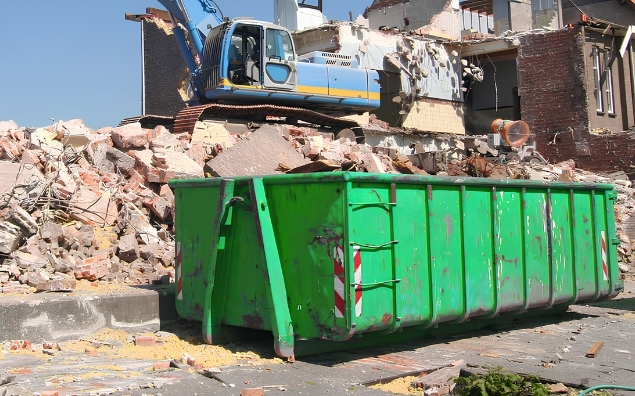
A dumpster for concrete provides a designated loading point for approved broken slabs, clean concrete, blocks, pavers, and certain masonry debris. Because these materials are unusually dense, the container is often loaded to a lower level than a dumpster carrying lumber, drywall, packaging, or household waste.
The correct concrete dumpster rental in Oakland depends on the amount of material, contamination, reinforcing metal, site access, surface stability, and applicable weight limit. Before delivery, customers should describe whether the load contains clean concrete, mixed construction debris, soil, asphalt, brick, or rebar. These details influence container selection, loading rules, disposal handling, and potential dump fees.
Match The Container To The Junk To Be Hauled Away
A concrete debris dumpster can support driveway removal, patio demolition, foundation work, walkway replacement, masonry cleanup, and selected construction projects. Each job should be evaluated by material density and composition rather than by pile size alone, since contamination or mixed debris can change disposal requirements.
Contractors Removing Flatwork
Driveway, sidewalk, patio, and slab removal projects produce dense fragments that require controlled loading and clear access for equipment and trucks.
Landscapers Replacing Hardscapes
Pavers, curbing, garden borders, and small masonry features may create compact but heavy loads during landscape redesign or drainage work.
Remodelers Opening Foundations
Foundation modifications, footing removal, and structural alterations can generate reinforced concrete that may require separation, size reduction, or special loading discussion.
Crews Clearing Masonry
Blocks, bricks, mortar, and other masonry debris should be identified before delivery because mixed material may affect recycling or disposal options.
Heavy-Material Disposal Planning For Effective Junk Management
Bay Dumpsters helps customers coordinate concrete removal by reviewing material type, estimated quantity, jobsite access, loading method, and haul-away timing. The goal is to prevent a dense load from exceeding service limits or creating avoidable disposal complications.
Material Condition Review
The planning discussion distinguishes clean concrete from loads containing soil, asphalt, trash, wood, insulation, or other construction materials that may change handling requirements.
- Clean Material Identification
- Contamination Risk Review
Weight-Based Service Planning
Customers exploring available waste container rentals can discuss container style, allowable loading depth, access conditions, pickup timing, and disposal expectations before work begins.
- Weight Limit Planning
- Loading Depth Guidance
Keep The Heavy Junk Load Moving With Bay Dumpsters
Plan the container before demolition begins so crews understand placement, material separation, loading depth, and pickup timing. Bay Dumpsters helps organize the heavy-debris stage.
How We Plan Your Cleanup Project
Concrete disposal requires careful planning because dense material can reach weight limits long before a container appears full. The process should account for material volume, breaking method, loading depth, and truck access.
Estimate Dense Material
Measure the concrete area, thickness, reinforcement, and expected volume before selecting the disposal arrangement.
Load In Layers
Distribute broken concrete evenly and follow approved loading depth instead of creating concentrated heavy piles.
Verify Before Collection
Confirm the load contains approved concrete, remains within limits, and can be accessed safely for pickup.
Prepare The Site Before Heavy Material Starts Accumulating
A prepared loading area helps reduce double handling, access conflicts, surface damage concerns, and delays once broken concrete begins moving toward the container.
- Confirm The Concrete Material Type
- Estimate The Total Broken Volume
- Identify Rebar And Metal Reinforcement
- Separate Soil From Concrete Debris
- Choose A Stable Placement Surface
- Preserve Equipment And Truck Access
- Plan Safe Material Loading Routes
- Review Maximum Loading Depth Requirements
- Confirm Pickup Timing Before Demolition
- Discuss Mixed Materials Before Loading
Plan Heavyweight Junk With A Controlled Cleanup Project
A heavy debris dumpster should be integrated into demolition planning rather than added after broken material has already accumulated. When the load is identified and staged correctly, crews can reduce repeated handling, maintain clearer work areas, and avoid preventable weight or contamination problems.
Weight Becomes Predictable
Concrete can reach a weight limit long before a container looks visually full. Estimating slab thickness, surface area, reinforcement, and material type gives the project a more realistic loading plan than relying on pile height or empty container space.
Material Separation Improves
Keeping clean concrete separate from soil, wood, drywall, trash, asphalt, and other construction waste may support more appropriate disposal or concrete recycling. Clear separation also reduces the risk of rejected loads, changed handling requirements, or unexpected disposal costs.
Handling Work Decreases
A concrete roll-off dumpster placed near the demolition area reduces the distance crews must move dense fragments. Shorter loading routes can limit repeated lifting, equipment travel, temporary debris piles, and unnecessary transfers into smaller vehicles.
Site Access Stays Usable
Heavy debris can quickly occupy staging areas needed for machinery, replacement materials, and contractor movement. Planned container placement keeps the removal path organized while preserving access for demolition equipment, delivery trucks, and the final pickup vehicle.
Concrete Cleanup Service For Structured Junk Removal
The Oakland heavy-debris dumpster service provided by Bay Dumpsters helps customers plan concrete dumpster rental in Oakland around material density, reinforcement, access, loading depth, and disposal conditions rather than treating heavy debris like ordinary construction waste.
Jobsite Access Planning
A jobsite dumpster rental can be positioned around demolition equipment, crew movement, loading distance, truck clearance, and the surface supporting the container.
Debris Category Guidance
A demolition debris container may be appropriate for mixed tear-out material, while clean concrete may require a more specific loading and disposal plan.
Haul-Away Coordination
Pickup timing is discussed before the load reaches its limit, helping prevent demolition debris from accumulating outside the container or blocking work areas.
Avoid the Mistakes That Turn Dense Debris Into An Expensive Loading Problem
Concrete disposal complications usually begin with inaccurate material descriptions, mixed loads, unstable placement, or loading decisions based only on visible container space.
- Mixing Soil With Clean Concrete
- Ignoring Rebar Before Container Loading
- Filling Beyond Approved Loading Depth
- Choosing Weak Placement Surfaces Carelessly
- Blocking Required Haul-Away Truck Access
- Underestimating Dense Masonry Debris Weight
How Heavy-Debris Service Works Best
Customers often value accurate material guidance, realistic weight planning, accessible placement, and coordinated pickup. These details help concrete removal progress without unexpected handling changes after demolition has already started.
Trustindex verifies that the original source of the review is Google. Thank you for being so quick and responsive on everything. Great service!!!!Posted on GoogleTrustindex verifies that the original source of the review is Google. Great customer service from start to finish! They were pleasant to work with, professional, and did an excellent job. Everything was handled exactly as promised, making the whole process easy and stress-free. I would definitely recommend them to anyone needing a reliable dumpster rental service.Posted on GoogleTrustindex verifies that the original source of the review is Google. Excellent service from Bay Dumpsters! They were punctual, professional, and friendly from start to finish. The dumpster was delivered on time, and pickup was quick and hassle-free. They did an outstanding job, and the entire process was smooth and easy. I highly recommend Bay Dumpsters to anyone looking for reliable and professional dumpster rental service. Thank you for the great work!Posted on GoogleTrustindex verifies that the original source of the review is Google. Hired Jesus to assembly some garage and balcony shelves. He did a great job putting everything together and installing them. Very tidy, cleaned everything up before he left and took all the packaging away with him. Very easy to talk and communicate with also.Posted on GoogleTrustindex verifies that the original source of the review is Google. Very professional, punctual and easy to do business with.Posted on GoogleTrustindex verifies that the original source of the review is Google. On time and fair pricePosted on GoogleTrustindex verifies that the original source of the review is Google. We had piles of trash left from a previous tenant and the boys came in cleared it all up and hauled it away fast. Price was exactly what he told me it was going to be and no funny business. I recommend them wholeheartedly.....Posted on GoogleTrustindex verifies that the original source of the review is Google. Besides their dumping service, Jesus and his team do handy work and were able to run a waterline to my fridge. They were thorough and careful, stopping by the day before to look at the fridge and the crawlspace and ensure they had all the proper tools and parts. I should have called them much sooner!Posted on GoogleTrustindex verifies that the original source of the review is Google. Jesus and his crew are true professionals! They did great work for me- they were timely, communicative, friendly, knowledgeable, and very reasonably priced. I highly recommend them!Posted on GoogleTrustindex verifies that the original source of the review is Google. Quick and easy to contact and deliver! Recommend 110%!!!!!
Frequently Asked Questions
Concrete is much denser than household or general construction debris. A container may reach its allowable weight with only a shallow layer of material. Loading depth, slab thickness, reinforcement, moisture, and mixed debris all affect how much concrete can be transported safely.
Clean concrete generally means concrete that is reasonably free from soil, trash, wood, drywall, insulation, asphalt, and other contaminants. Rebar, mortar, coatings, or attached materials may affect how the load is classified, so the material condition should be confirmed before delivery.
These materials may be compatible in some loads, but disposal requirements can vary by composition, contamination, and weight. Brick, block, pavers, mortar, and reinforced concrete should be described before booking so the correct container and loading instructions can be determined.
Soil and asphalt can change the classification, density, and disposal method of a concrete load. Mixing them without approval may affect recycling options, dump fees, or pickup eligibility. Separate the materials during demolition whenever the agreed service requires a clean-concrete load.
A low-profile container may make hand loading and equipment access easier for dense material, but suitability depends on available inventory, project size, truck access, and service limits. Container height alone does not determine capacity because concrete loading is controlled heavily by weight.
Reinforced pieces may need to be broken into manageable sections, and protruding rebar should not extend beyond the container. Preparation requirements vary by equipment, container design, and disposal destination. Discuss reinforcement before demolition so loading expectations are clear.
Concrete recycling may be available for qualifying clean loads, but it does not automatically guarantee lower costs. Transportation distance, contamination, processing requirements, load weight, local facility policies, and dump fees can all affect the final disposal arrangement.
Stop loading before exceeding the agreed depth or weight guidance and contact the provider. The project may need earlier pickup, another container, reduced load volume, or separate handling for mixed materials. Continuing to load can create service, safety, and transportation complications.
Plan The Heavy Load Before Concrete Removal Begins
Discuss the concrete type, reinforcement, placement area, loading method, and haul-away timing before demolition starts. Contact Bay Dumpsters to build a practical disposal plan for your Oakland project.